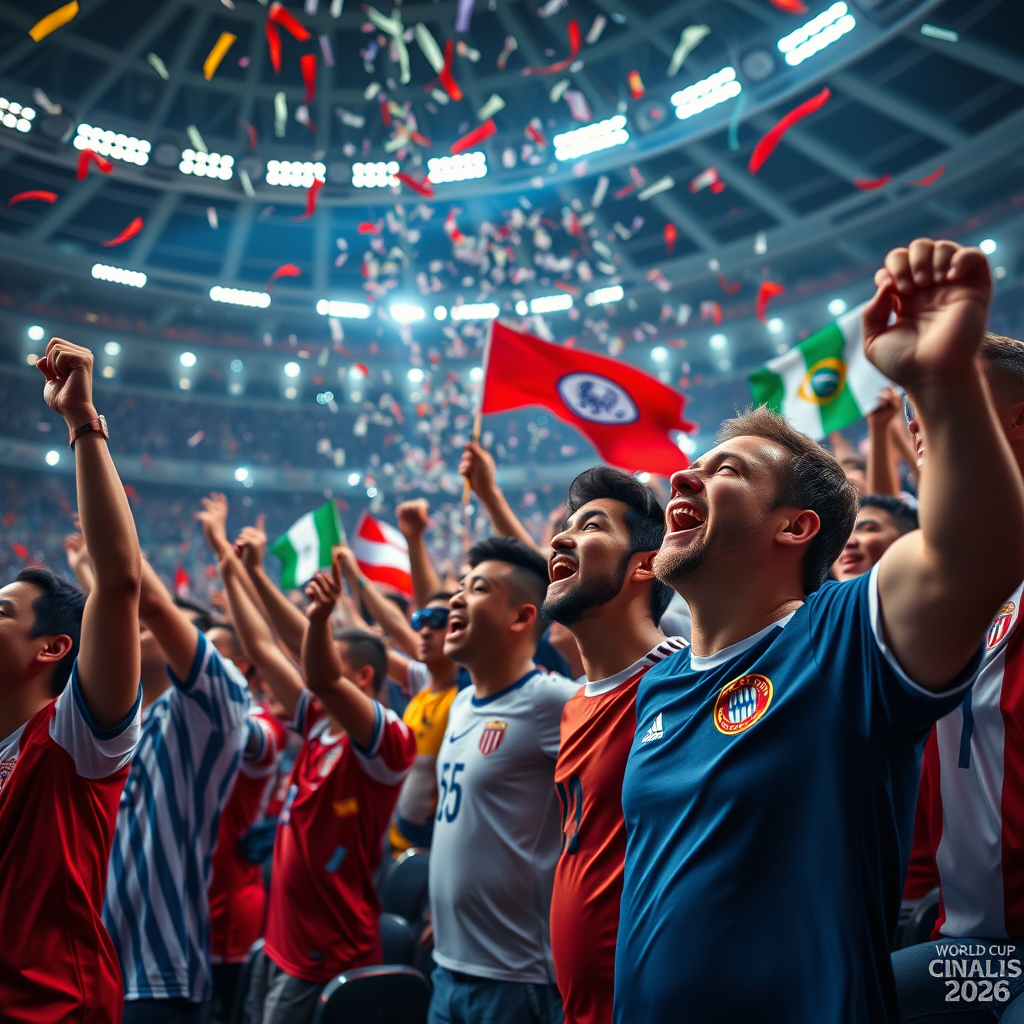
Barcelona Squad Crisis Ahead of European Fixtures: Matchday Schedule, Availability Risks and Result Tracking
Barcelona squad crisis ahead of European fixtures has become the recurring storyline of this cycle of matchday previews. Every few days, a headline announces another muscle problem, another doubt around a starter, another reason to adjust expectations before a continental clash. The valuable piece of information for anyone looking for a schedule and results, however, is rarely the headline itself. It is the sequence of official confirmations that arrive before the ball is kicked.
Here are the three key findings that frame the conversation around Barcelona’s recent European weeks.
- Lineups, not headlines, are the real daily schedule. Most crisis coverage mixes confirmed absences with pure suspicion. The only list that counts on a European matchday is the official squad and starting XI released by UEFA and by FC Barcelona through their verified channels.
- Fixture congestion is the hidden variable. Barcelona’s European fixtures rarely arrive in isolation. They sit between La Liga weekends, cup rounds and national team breaks. That context often explains more about rotation than the injury list itself.
- The decisive update tends to appear late. For several competitions, the official lineup is confirmed roughly one hour before kickoff, sometimes close to the 75-minute mark. Any earlier prediction about the starting XI should be treated as an estimate, not a fact.
Why the Barcelona squad crisis story is really a scheduling problem
The modern European calendar pushes clubs into a rhythm that is difficult to manage even without injuries. Since the introduction of the expanded league-phase format, teams in the Champions League have been asked to handle more group-stage matchdays while maintaining domestic intensity. Barcelona, like every top club in Europe, has to process that load with a squad that is never fully available at any given point of the season.
When supporters ask for the schedule and the result of the next Barcelona European fixture, they are usually asking a much wider set of questions. Which competition is playing? Which players have recovered in time? Is this a home fixture played at the usual venue or at the temporary Olympic stadium? Will the coach rotate after a difficult league result? Those questions all affect how the result should be interpreted, not just the final scoreline.
A useful habit is to see a European fixture not as a single date but as a chain of information windows. The coach’s press conference, the official training session, the traveling squad list and the confirmed starting XI all carry more practical weight than the vague phrase “squad crisis” used in preview articles. Reading those windows in order gives you the fastest accurate picture of what to expect.
 Hình minh hoạ: 789club
Matchday information windows: reading a Barcelona European fixture in the right sequence
For anyone following the results on TV, a betting dashboard or social media, the following sequence can help identify the difference between confirmed information and speculation.
48 to 24 hours before kickoff: the coach speaks to the media. The press conference usually contains the first reliable hints about player availability. Listen for phrases that separate long-term absentees from players being assessed. A coach may say that a player is “training separately” or that the medical staff will “decide tomorrow.” Those details matter because they will likely determine how much attacking power Barcelona can field.
Matchday morning: the club publishes the list of players called up for the fixture. This is the first practical confirmation of who has made the group. Young academy players may appear on the list when senior members are missing. That is not automatically a negative story; it can also be a sign of tactical freshness.
Close to one hour before kickoff, the official starting lineups appear. Compare that list with the lineup from the previous European match and the last domestic match. If Barcelona lines up with four or five changes, the coaching staff is prioritizing squad management over continuity. This stage is the final moment for adjusting any match analysis that was based on an assumed starting XI.
Kickoff to the final whistle: follow the match events rather than the score alone. A one-goal result against a compact opponent may look comfortable on television but far less comfortable when you consider injuries, yellow cards and missed chances. The result is only the most obvious part of the story.
After full time, the official reports, the post-match press conference and the medical updates give the first indication of who might be available for the next fixture. This is also the moment when many casual observers discover that the next match is often only three days away.

Where the availability rush usually squeezes Barcelona: four pressure points
A complete schedule-and-results guide needs to address where the personnel shortage can change the outcome. Regardless of the exact configuration of the squad list for a specific match, four areas tend to reflect the effects of a European week under physical stress.
Goalkeeper and build-up play
Barcelona’s tactical structure depends on a goalkeeper who can participate in the first phase of buildup. When the starting goalkeeper is unavailable, the style does not automatically fall apart, but the opposition immediately tests the replacement with high pressing. Watch how many passes the goalkeeper attempts in the first 15 minutes; that is often the clearest indicator of confidence within the squad.
Central defense and recovery speed
European opponents frequently defend deep and attack on the transition. If Barcelona’s center-back options are limited, the team usually pushes the defensive line slightly higher to compensate, which creates space in behind. The danger is highest in the first half hour, while the players are still calibrating their positioning.
Midfield control
Barcelona’s identity is built on midfield superiority. When key creators and ball progressors are unavailable, the team may still dominate possession but struggle to create clear chances against a compact block. In those games, the result often hinges on set pieces and shots from distance, not on patient passing sequences.
Wide areas and rotation in the final third
The loss of a starting winger or striker changes how Barcelona attacks the space behind the opponent’s fullbacks. Younger replacements tend to provide more direct running, but they may lack the tactical discipline required against experienced European defenses. The first substitution patterns, rather than the starting lineup, often reveal how the coach tries to correct this imbalance.

Use this table as a time-based wall chart for the next European fixture
If you are coordinating your own schedule around a Barcelona European match, the table below is more useful than a short news alert, because it explains what kind of information appears in each window and how it changes your assessment of the team’s chances.
| Time window | Where to look | What it reveals about the squad |
|---|---|---|
| Two days before the match | Coach press conference, official training reports | First hints about rotation and players still in recovery |
| Matchday morning | Official call-up list on club and UEFA channels | Confirms who traveled and which academy players were promoted |
| Roughly 60–75 minutes before kickoff | Official starting lineups | Final read on Barcelona’s intensity level and tactical shape |
| Kickoff to the final whistle | Live match events, substitutions, injury stoppages | Reveals whether the early lineup plan survived contact |
| Post-match | Official reports, coach statements, data platforms | Supplies the confirmed result and the first hint for the next fixture |
Use the table as a routine for every European match, and you will rarely be caught by surprise when the official squad news contradicts the morning newspapers.

Rotation as a survival strategy: why squad depth becomes the headline stat
Barcelona’s recent European campaigns have often followed a familiar pattern. A dense run of fixtures produces a fresh injury concern, pundits begin to frame the tie as a crisis, then the coach responds with an unexpected set of changes. Some of those changes fail because the replacement lacks match rhythm. Others succeed because the replacement brings a different kind of energy.
That is why the most relevant statistic ahead of a European fixture is not simply how many players are missing. It is how many players are available in the matchday squad and how many of them have played enough minutes to cope with the demand of the game. The success of that approach usually depends on the quality of the academy players who enter the group at short notice.
This pattern is not unique to Barcelona. However, Barcelona’s public commitment to youth development makes it more visible than at many other European clubs. When the starting lineup includes two or three players from the reserve setup, the match becomes a test of courage as much as technique. For result tracking, it is important to remember that a younger lineup can produce both brilliant performances and highly unstable ones, sometimes within the same game.
What comes next in the fixture flow after a disrupted European week
Once the European fixture ends, the focus shifts quickly. If Barcelona qualifies or advances to the next league-phase round, the calendar does not offer much breathing room. Domestic league matches are usually scheduled within the same week, and that affects how the coaching staff manages training loads.
For anyone following this cycle, the best approach is to check three things after the full-time whistle. First, the post-match medical report, which tells you whether any new muscular complaint appeared. Second, the competition’s official schedule page, which shows the time and venue of the next round. Third, the opponent’s recent results, because a team that conceded heavily in its previous match may adjust its approach entirely.
The schedule part of the search intent is rarely satisfied by a single fixture date at the top of a website. European fixtures come in pairs, sometimes in groups. That is why the result from matchday one regularly influences the approach in matchday two, regardless of the lineup changes made in between.
How to follow live updates without relying on unverified social media posts
Matchday itself is a busy environment. Social media feeds fill up with screenshots of alleged starting lineups, quotes from unnamed medical sources and vague reports about dressing-room tension. The best way to avoid that noise is to set a simple verification routine. The official Barcelona website, the UEFA match center and the verified club social accounts should always take priority.
Supplementing that official base with other sources can be useful when you want faster access to statistics, lineup patterns or match-result history. Sports-related portals, including 789club, can act as a convenient surface to check scores and event times quickly. There is nothing wrong with using them as support, provided you treat them as a complement and not as the primary source of truth.
If you are also interested in the competitive offers that often appear around a major Barcelona fixture, be especially careful about the address you use. The combination of high search interest and tight deadlines creates conditions for unofficial mirror sites. Before logging in or relying on notifications, make sure you are accessing the 789club chính thức domain from a saved bookmark or through a verified link. This prevents confusion when schedules, event names and odds are presented in slightly different formats across websites.
The same discipline should extend to money management. A football matchday, especially one affected by an injury crisis, is unpredictable. No team list, coach comment or statistical model can guarantee which Barcelona will show up on the pitch. Anyone participating in event-based entertainment should set a clear and reasonable budget before the match, avoid chasing losses and stop once that budget is used.
From lasting history to current reality: what the Barcelona name still means in Europe
Barcelona carries one of the most decorated records in European football. The club has lifted the European Champion Clubs’ Cup and the Champions League trophy on several occasions, with wins spread across different generations of players. That history creates expectations that often clash with the pragmatic reality of an injury-hit campaign.
Still, the stronger lesson from those trophy-winning seasons is not that Barcelona always plays beautifully. It is that the club has repeatedly survived periods of instability by trusting the next generation. During a European week where the squad is short on proven starters, the debate always returns to the same point: can a younger player handle the pressure of a continental night? History does not provide a single answer. Every squad crisis is different, every opponent is different and every referee decision changes the atmosphere.
That perspective helps when you look at the scheduled European fixtures and try to guess results. The result belongs to the players, not to the injury list. Some of Barcelona’s most memorable European nights have happened when expectations were low. Likewise, some of the most disappointing results have occurred when the squad appeared to be at full strength. Flexibility, therefore, is a more useful tool than confidence when the team sheet is still uncertain.
Final checklist before the next European fixture
To turn the next Barcelona European match into a clear schedule-and-result task, run through this list before kickoff.
- Confirm the kickoff time in your local time zone rather than the time published by your friends on social media. Time zone errors are the most common source of confusion.
- Bookmark the official schedule pages for FC Barcelona and UEFA the morning before the match. These pages will update faster and more reliably than most news sites.
- Wait for the official press conference before judging the severity of the squad crisis. Statements given 48 hours before kickoff can become outdated quickly.
- Compare the matchday call-up list with the previous list and check which position groups are missing the most players.
- Place your main analysis in the final hour before the match, when the official starting XI makes the rotation strategy visible.
- Focus on the match flow, not only the final score. A narrow win can conceal serious problems for the next fixture.
- Set your own entertainment budget in advance if you are using event platforms that allow betting, and never chase losses during the match.
- Review the post-match reports the next morning to identify which players emerged with new issues and which replacements impressed the staff.
Barcelona squad crisis ahead of European fixtures is not a static situation. It evolves with every training session, every press conference and every result. Treating the schedule and results as a live process, rather than an isolated headline, is the most reliable way to stay informed.